Cultivating Crisp, Sweet Sprouts: Your Guide to Avoiding Bitterness
Brussels sprouts have undergone a remarkable culinary transformation, evolving from a universally dreaded side dish to a celebrated, versatile vegetable. Yet, the ghost of bitter, mushy sprouts can still haunt home cooks and gardeners alike. The secret to truly delicious, crisp, and sweet Brussels sprouts lies not just in the cooking, but crucially, in their cultivation and harvest. Whether you're a seasoned green thumb or a novice eager to try your hand at growing these miniature cabbages, mastering the art of planting, nurturing, and knowing precisely when to begin picking our winter brussels sprouts is paramount to culinary success.
This comprehensive guide will equip you with expert tips and actionable advice, ensuring your next harvest is a triumph of flavor, free from any hint of bitterness. From optimal growing conditions to the precise moment of harvest, we'll demystify the process, helping you achieve that perfect sprout.
The Ideal Environment: Setting the Stage for Sweet Brussels Sprouts
The flavor profile of your Brussels sprouts begins long before you even think about harvesting. Like any plant, they thrive under specific conditions that directly impact their taste and texture. Understanding these environmental factors is the first step in avoiding those dreaded bitter sprouts.
Soil, Sun, and Temperature: The Flavor Trinity
- Rich, Well-Drained Soil: Brussels sprouts are heavy feeders. They crave fertile, loamy soil brimming with organic matter. Amend your garden beds with compost or well-rotted manure before planting. This provides the necessary nutrients for robust growth and helps retain moisture without becoming waterlogged, which can stress plants. A soil pH between 6.0 and 7.0 is generally ideal.
- Full Sun Exposure: While they appreciate cool temperatures, Brussels sprouts need at least 6-8 hours of direct sunlight daily to produce abundant, healthy sprouts. Insufficient light can lead to leggy plants and smaller, less flavorful yields.
- The Magic of Chilly Nights (and Avoiding Heat Stress): This is perhaps the most critical factor in preventing bitterness. Brussels sprouts adore cool weather. They flourish during long periods of sunny days and crisp, chilly nights, typically in spring, fall, and especially winter. Exposure to a few light frosts actually enhances their sweetness, as the cold triggers the plant to convert starches into sugars. Conversely, temperatures consistently above 70°F (21°C) can cause significant stress. Heat often prompts the plants to “bolt” – prematurely flower and go to seed – which is a direct cause of bitter-tasting sprouts. If you're growing in a warmer climate, aim for a late fall or winter harvest to capitalize on cooler temperatures.
Location, Location, Location: Ground vs. Container & Crop Rotation
Brussels sprouts are versatile growers; they can thrive directly in the ground or in large containers (at least 15-gallon capacity per plant) if space is limited. What's crucial, regardless of where they're planted, is providing ample room for their tall growth habit. Furthermore, incorporating crop rotation into your gardening plan is vital. Brussels sprouts, being members of the Brassica family, are susceptible to specific diseases and pests (like aphids) that can accumulate in the soil year after year. Rotating them to a different bed each season helps break disease cycles and reduces pest pressure, ensuring healthier, more productive plants. For more detailed advice on their cultivation, consider exploring Grow & Store Winter Brussels Sprouts: Tips for a Bountiful Harvest.
Mastering the Harvest: When and How to Pick Your Brussels Sprouts
Knowing precisely when and how to harvest your Brussels sprouts is the ultimate determinant of their quality. Patience is not just a virtue in gardening; it's a requirement for achieving optimal flavor and texture when picking our winter brussels sprouts.
The Perfect Timing: Look for These Cues
Brussels sprouts typically have a long growing season, often 90-120 days from transplanting. Unlike some other vegetables, they don't all ripen at once. They mature progressively, usually starting from the bottom of the stalk and working their way up. Here's what to look for:
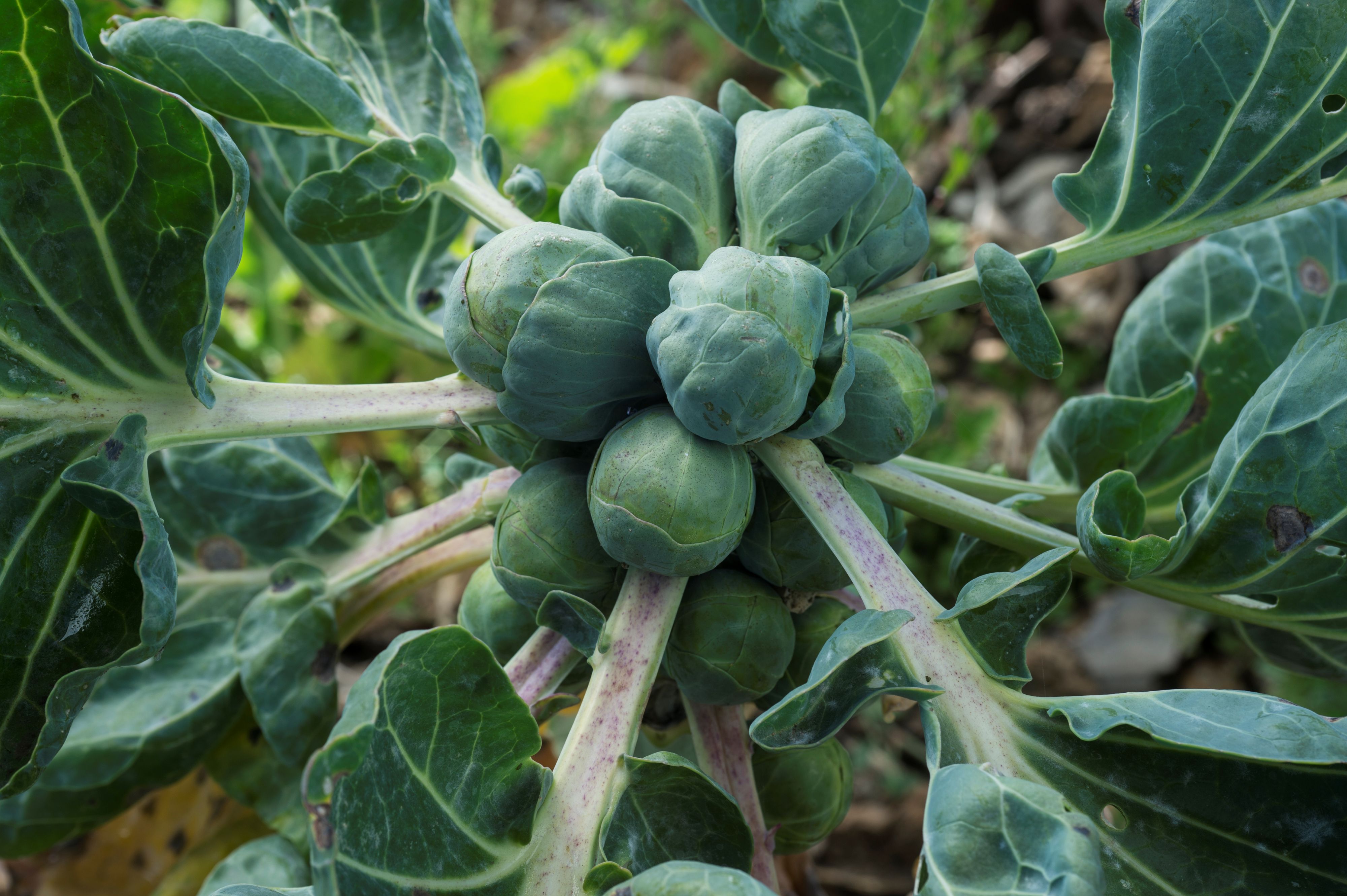
- Firmness and Size: A sprout is ready for harvest when it is firm to the touch, boasts a vibrant green color, and measures approximately 1 to 2 inches in diameter. These are the hallmarks of a prime, flavorful sprout.
- Closed Buds: Crucially, harvest them before the buds begin to turn yellow or the tiny leaves around the sprout start to open. Yellowing or opening indicates that the sprout is past its prime, and its flavor will likely be compromised, often resulting in bitterness.
- Winter's Embrace: If you've had the good fortune of a mild winter, your Brussels sprouts might continue growing and providing fresh harvests throughout the colder months, much like those grown in milder Northeast conditions. The natural chill of winter often sweetens the sprouts, making them particularly delicious.
The Art of Picking: Gentle Yet Firm
Once you've identified a ready sprout, the removal technique is straightforward:
- Twist and Snap: Grasp the sprout firmly between your thumb and forefinger. Give it a sharp, downward twist until it cleanly breaks away from the main stalk. This method minimizes damage to the plant, allowing it to continue producing.
- Harvest Progressively: You don't need to strip the entire plant at once. Instead, pick sprouts as you need them, starting from the bottom of the stalk where they mature first. This continuous harvesting approach allows the plant to keep growing taller and produce more sprouts further up the stem. While new sprouts won't grow in the exact spot you've picked from, the plant's overall productivity remains high.
- Maximize Your Yield: While there's no fixed number, a single healthy Brussels sprout plant, grown under ideal conditions, can easily yield 2-4 pounds of sprouts over its season. To encourage even more growth and facilitate picking, some gardeners opt to remove the lower yellowing leaves as they appear.
For a deeper dive into harvesting techniques, check out our guide on Unlock Perfect Brussels Sprouts: How & When to Harvest Them.
Post-Harvest Perfection: Storing Your Sweet Brussels Sprouts
Once you’ve successfully harvested your bountiful crop of non-bitter sprouts, proper storage is key to maintaining their freshness and flavor.
- Refrigeration is Key: Brussels sprouts are excellent keepers. They can remain fresh for several weeks when stored correctly in the refrigerator.
- Loose or On-Stalk: If you've picked individual sprouts, store them unwashed in a loosely sealed plastic bag or container in your refrigerator's crisper drawer. The loose seal prevents excessive moisture buildup while allowing some air circulation.
- Stalk Storage for Longevity: For even longer freshness, especially if you have space, consider leaving some sprouts attached to the stalk. Store the entire stalk in your refrigerator. The stalk acts as a natural “life support” system, keeping the sprouts hydrated and crisp. Simply remove sprouts from the stalk as needed. This method can extend their freshness for several weeks, if not longer.
Troubleshooting Common Woes and Guaranteeing Bitterness-Free Bites
Even with the best intentions, gardeners can face challenges. Here’s how to preemptively tackle issues that might lead to bitter Brussels sprouts or a less-than-stellar harvest:
- Monitor Temperatures Rigorously: As highlighted, heat is the primary culprit behind bitterness. If an unexpected heatwave hits during your growing season, consider providing some temporary shade for your plants. Planting later in the season to ensure maturity during cooler autumn or winter months is often the most reliable strategy.
- Stay Ahead of Pests: Aphids are particularly fond of Brussels sprouts. Regularly inspect the undersides of leaves and within the developing sprouts. Early detection allows for organic interventions like a strong spray of water or insecticidal soap, preventing infestations that can stress the plant and affect flavor. Companion planting with pest-repelling herbs can also be beneficial.
- Ensure Consistent Moisture: While they don't like soggy feet, Brussels sprouts do need consistent moisture, especially during dry spells. Irregular watering can stress plants, leading to smaller sprouts and potentially affecting taste. Mulching around the base of the plants helps retain soil moisture and regulate soil temperature.
- Feed Your Plants: Since they are heavy feeders, a mid-season application of a balanced organic fertilizer or a compost tea can give your plants the boost they need to produce large, sweet sprouts, particularly when you're diligently picking our winter brussels sprouts.
Conclusion
Growing and harvesting your own Brussels sprouts can be an incredibly rewarding experience, transforming this often-maligned vegetable into a culinary delight. By providing the right conditions – rich soil, ample sun, and especially those crucial cool temperatures – and understanding the nuanced art of when and how to pick, you can ensure a harvest that is sweet, crisp, and utterly delicious. Embrace the journey, apply these expert tips, and get ready to enjoy the best Brussels sprouts you've ever tasted, fresh from your own garden.
