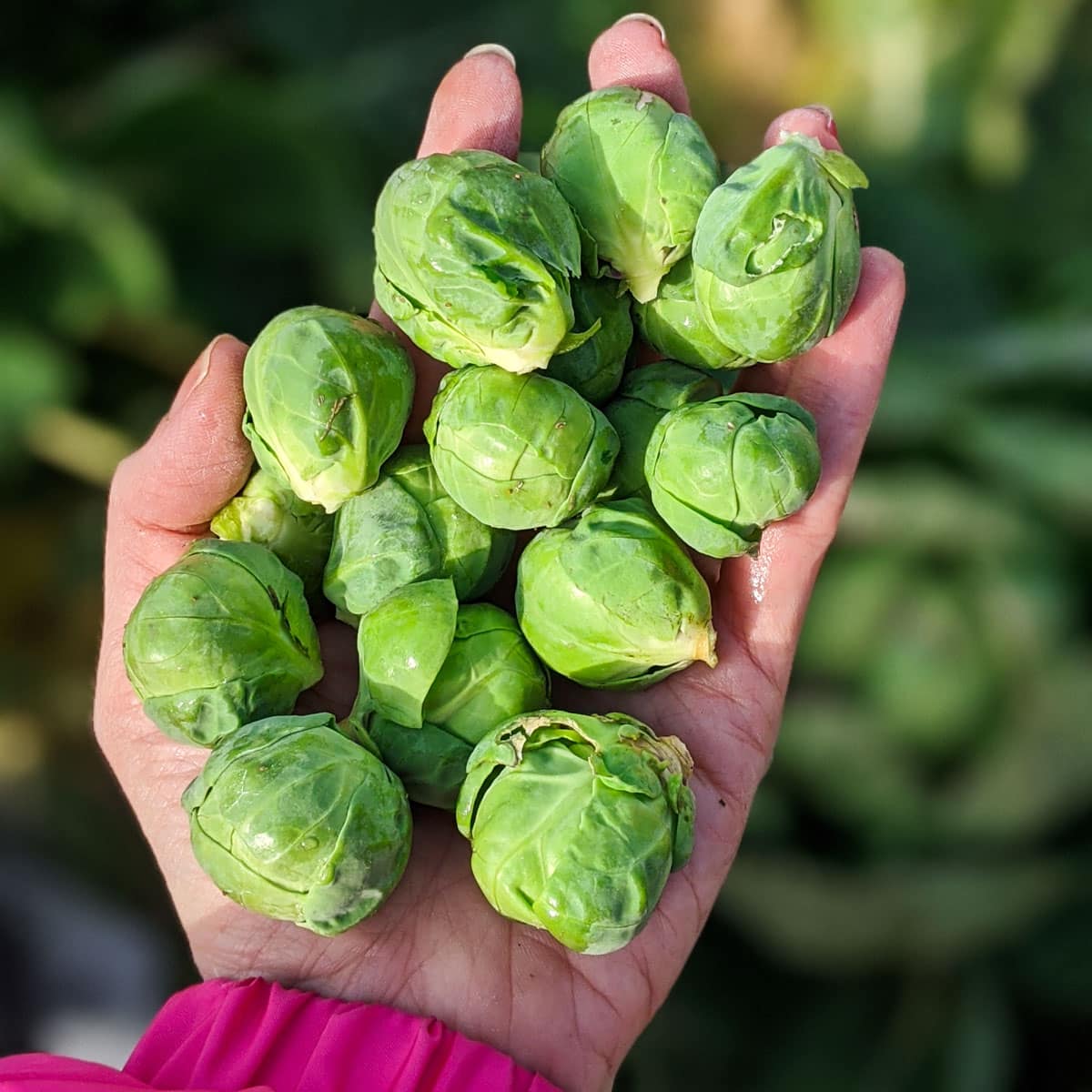
Unlock the Secrets to a Perfect Brussels Sprout Harvest
Once the bane of many childhood dinner tables, Brussels sprouts have staged a remarkable comeback, transforming into a culinary darling. These miniature cabbages, actually the edible buds or "blossoms" of the *Brassica oleracea* plant, are renowned for their unique flavor and versatility. While growing them can be a long game, the true reward lies in knowing precisely when and how to harvest them to maximize their taste and yield. Whether you're a seasoned green thumb or embarking on your first season of
growing and storing winter Brussels sprouts, mastering the harvest is key to enjoying these delightful vegetables.
The journey to a successful Brussels sprout harvest begins with patience and understanding the plant's unique growth cycle. Unlike many fast-growing garden favorites, Brussels sprouts have a lengthy season, often thriving through cooler temperatures, making the experience of
picking our winter Brussels sprouts particularly rewarding. But how do you know when they've reached their prime, and what's the best way to remove them without damaging the plant? Let's dive in.
The Art and Science of Knowing When to Harvest Brussels Sprouts
Determining the optimal moment to harvest Brussels sprouts is crucial for flavor and texture. Pick them too early, and they might be undersized; too late, and they could turn bitter or woody. Here’s how to tell when your sprouts are perfectly ripe for picking:
Visual Cues and Timing
- Firmness and Color: Ripe Brussels sprouts will be firm to the touch and boast a vibrant green color. Avoid any that feel soft or spongy.
- Size Matters: Ideal sprouts typically measure between 1 to 2 inches in diameter. While smaller ones are edible, they might lack the robust flavor, and larger ones can sometimes become tougher.
- Closed Buds: Ensure the sprouts are tightly closed. If the leaves have begun to open or separate from the bud, they're past their prime and may have lost some of their desirable crispness and flavor.
- Watch for Yellowing: A critical indicator to avoid is yellowing buds. Once Brussels sprouts start to turn yellow, it signifies they are overripe and often results in a less palatable, bitter taste. Harvest promptly if you see this change approaching.
Patience is truly a gardener's virtue when it comes to these brassicas. While they might appear to be growing slowly, their flavor profile deepens significantly with exposure to cold weather. Chilly nights, especially those just above freezing, enhance the sprouts' sweetness, making the experience of
picking our winter Brussels sprouts a true delight. This is why a mild winter can be a gardener's blessing, allowing the plants to continue producing abundant, sweet sprouts long into the colder months.
Mastering the Harvest Technique: How to Pick Brussels Sprouts
Once you've determined your sprouts are ready, the method of removal is straightforward but essential for ensuring the plant's continued health and future production.
The Simple Twist: Your Go-To Method
The most effective and least damaging way to harvest individual Brussels sprouts is with a simple twist.
- Grasp Firmly: Hold the individual sprout firmly at its base.
- Twist and Snap: Gently twist the sprout until it cleanly breaks away from the main stalk. There's no need for knives or pruners, which can introduce entry points for disease. The natural break is usually cleaner and healthier for the plant.
Brussels sprouts grow in an upward spiral along a central stalk, maturing from the bottom up. This natural progression means you rarely (if ever) need to harvest the entire plant at once.
Harvesting as Needed vs. Mass Harvest
One of the great advantages of Brussels sprouts is their ability to be harvested progressively.
- Pick as You Need Them: You don't have to strip the plant bare. Instead, you can pick a handful of sprouts as you need them for your culinary creations. The plant will continue to grow taller and produce new sprouts further up the stalk. However, remember that new sprouts will *not* grow in the exact spot where one has been removed.
- Consider Your Garden Plan: The decision to harvest a few at a time or clear the entire stalk often depends on your gardening season and plans. If you anticipate more cold weather and continued growth, a staggered harvest is ideal. If you need to clear the bed for a new crop, harvesting the entire stalk (and enjoying the freshest sprouts possible) is perfectly acceptable.
A single, well-maintained Brussels sprout plant grown under excellent conditions can easily yield anywhere from 2 to 4 pounds of delicious sprouts. Imagine the satisfaction of
picking our winter Brussels sprouts and filling your basket with such a bounty!
Maximizing Your Brussels Sprout Yield and Quality
A successful harvest is deeply rooted in robust plant health and optimal growing conditions. Brussels sprouts, while adaptable, have certain preferences that directly impact their yield and flavor.
Ideal Growing Conditions for Abundance
- Rich Soil: Brussels sprouts are heavy feeders. They thrive in rich, well-drained soil amended with plenty of organic matter. A balanced nutrient profile supports their long growth cycle and the development of numerous, healthy buds.
- Sun and Chill: They love sunny days combined with chilly nights. This combination encourages strong growth during the day and allows the sprouts to sweeten and firm up as temperatures drop.
- Temperature Sensitivity: While they tolerate cold well, extreme heat is their enemy. Temperatures consistently above 70°F (21°C) can cause Brussels sprouts to "bolt," meaning they prematurely go to seed. Bolting results in bitter, inedible sprouts. For more detailed insights on how to prevent this and ensure sweet, tender sprouts, refer to our guide on avoiding bitter sprouts: expert tips for growing and picking.
- Crop Rotation: Brussels sprouts, like their brassica cousins, are susceptible to various diseases and pests, particularly aphids. Practicing crop rotation – moving these plants to a different location in your garden each season – is a simple yet effective strategy to break pest cycles and reduce disease pressure.
Understanding these foundational growing principles is paramount for anyone keen on
picking our winter Brussels sprouts successfully. A healthy plant is a productive plant, yielding more of those coveted, firm green buds.
Post-Harvest Care: Storing Your Bountiful Brussels Sprouts
Once you've enjoyed the rewarding process of harvesting, proper storage ensures your Brussels sprouts remain fresh and delicious for as long as possible.
Keeping Your Harvest Fresh
The storage method you choose can significantly impact their shelf life:
- Loose Sprouts in the Refrigerator: If you've twisted individual sprouts off the stalk, store them unwashed in a loosely sealed plastic bag or container in the crisper drawer of your refrigerator. They can easily last for several weeks this way. Washing them before storage can introduce moisture, which accelerates spoilage.
- On the Stalk for Extended Freshness: For the longest possible storage, keep the sprouts attached to their stalk. A whole stalk of Brussels sprouts can remain fresh for several weeks, or even a couple of months, when stored upright in a cool, humid environment like the bottom shelf of your refrigerator (if it fits!). Simply remove sprouts from the stalk as you need them. The stalk acts as a natural protective and hydrating element, much like keeping flowers in water.
With these storage tips, your efforts in
picking our winter Brussels sprouts will be rewarded with fresh, flavorful produce for weeks to come, ready to be transformed into countless delicious dishes.
Conclusion
Harvesting Brussels sprouts doesn't have to be an intimidating task. By understanding the tell-tale signs of ripeness, employing the simple twist-and-snap method, and providing optimal growing conditions, you can enjoy a continuous supply of fresh, delicious sprouts from your garden. The unique satisfaction of
picking our winter Brussels sprouts and bringing them directly to your kitchen is unparalleled. Embrace the journey, and you'll soon discover why this once-maligned vegetable has truly earned its place as a garden and culinary superstar. Happy harvesting!