Embracing the Winter Harvest: Your Guide to Bountiful Brussels Sprouts
There's a unique satisfaction that comes from stepping into a crisp winter garden, especially when it yields a bounty of fresh produce. Among the hardiest and most rewarding cold-weather vegetables are Brussels sprouts, transforming from tiny buds into robust, flavorful spheres that sweeten with the season's chill. If you've ever dreamt of picking our winter brussels sprouts right from your backyard, then this comprehensive guide is for you. We'll delve into the optimal harvest techniques, ideal growing conditions, and smart storage solutions to ensure your efforts result in a delicious, long-lasting yield.
The Art of Harvesting Winter Brussels Sprouts
Patience is perhaps the most crucial ingredient in cultivating exceptional Brussels sprouts. These intriguing members of the *Brassica oleracea* family (the same species as broccoli and cabbage) require a lengthy growing season, often thriving well into the colder months. Knowing precisely when and how to harvest them can make all the difference in flavor and quantity.
When Are They Ready?
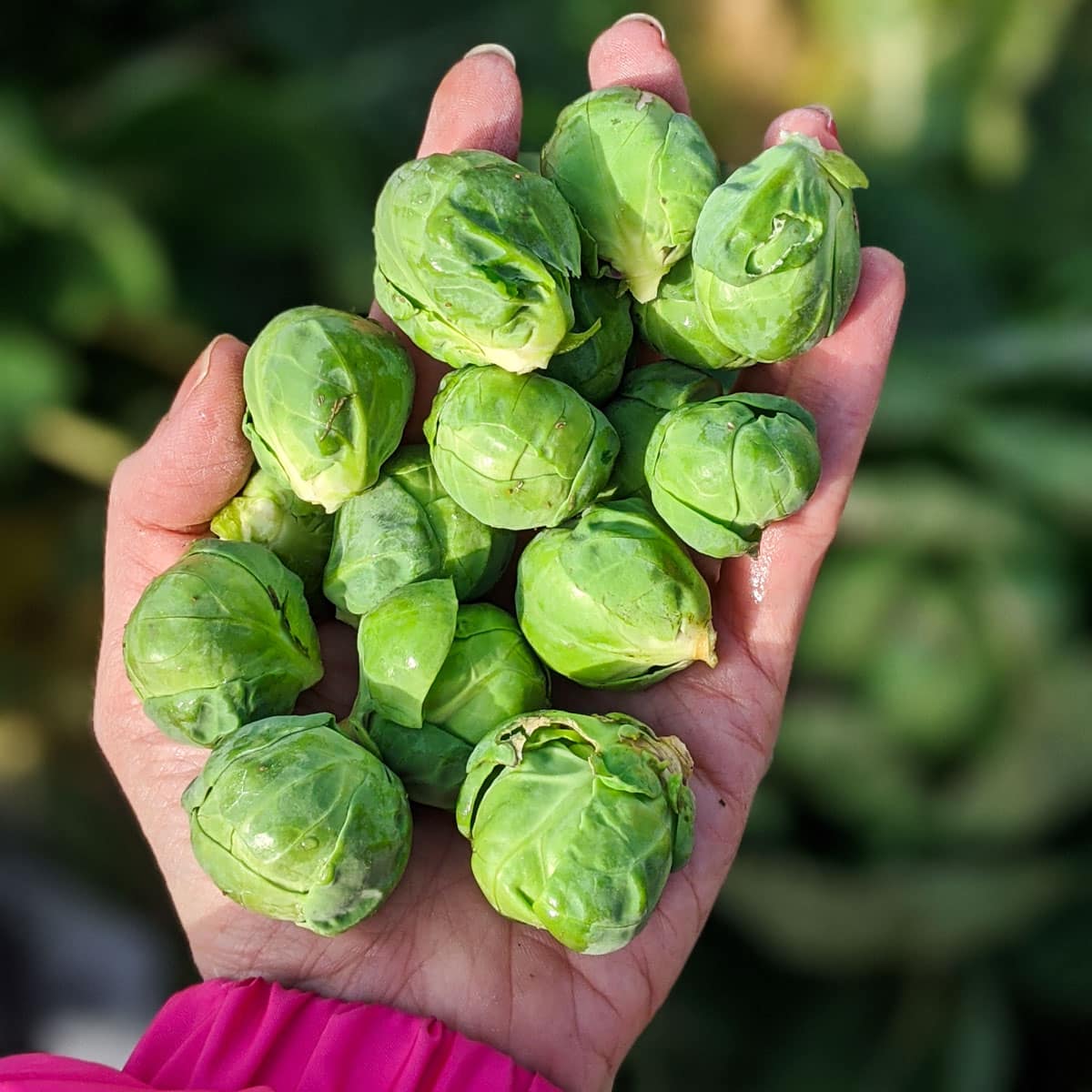
Brussels sprouts are typically ready for harvest when they are firm to the touch, vibrantly green, and between 1 to 2 inches in diameter. A key indicator is their tightness; you want to pick them before the tiny leaves begin to open or the buds start to turn yellow. These signs suggest the sprout is past its prime, potentially becoming bitter or less appealing.
The sprouts mature from the bottom of the stalk upwards. This means your first harvest will likely come from the lower parts of the plant. As you remove these, the plant dedicates more energy to the upper sprouts, encouraging their growth and maturation.
The Twist-and-Snap Technique
Harvesting Brussels sprouts is surprisingly simple. To remove a ready sprout, firmly grasp it and twist it downwards until it cleanly breaks away from the main stalk. Avoid pulling straight out, as this can damage the plant and hinder further production. This method ensures a clean break, preventing injury to the stem and allowing the plant to continue developing its remaining sprouts.
Gradual vs. Full Harvest: Your Choice
One of the beauties of Brussels sprouts is their extended harvest window. You don't need to gather all the sprouts at once. Instead, you can pick them as needed, ensuring a continuous supply of fresh vegetables for several weeks, or even months, if your climate allows. While a sprout won't regrow in the exact spot it was picked, the plant itself will continue to grow taller, potentially producing new sprouts higher up the stalk.
Gardeners often make a personal choice based on their growing season and garden plans: either gradually picking our winter brussels sprouts a few at a time, or harvesting the entire stalk at once towards the end of the season. A healthy plant, under optimal conditions, can easily yield 2-4 pounds of sprouts, offering a significant return on your gardening investment.
Cultivating Success: Ideal Conditions for Bountiful Sprouts
To maximize your Brussels sprout harvest, understanding their preferred growing environment is essential. These aren't fussy plants, but they do have specific needs that, when met, lead to superior quality and yield.
Soil, Sun, and Temperature: The Perfect Trifecta
- Rich Soil: Brussels sprouts are heavy feeders. They thrive in rich, well-draining soil abundant in organic matter. Amending your garden beds with compost or aged manure before planting will provide the nutrients necessary for robust growth. A soil pH between 6.0 and 7.0 is generally ideal.
- Sunny Days, Chilly Nights: While they appreciate full sun (at least 6 hours daily), Brussels sprouts truly excel in conditions that offer sunny days followed by cool or even chilly nights. This temperature fluctuation is crucial for developing their characteristic sweet flavor. In fact, many gardeners believe a touch of frost significantly enhances their taste.
- Temperature Tolerance: These plants are incredibly resilient and can withstand surprisingly cold temperatures, making them perfect for a winter garden. Many varieties can tolerate temperatures down to 20°F (-6°C) or even lower. However, anything consistently above 70°F (21°C) can cause the plants to "bolt" (go to seed prematurely), resulting in bitter sprouts. This is why they are often planted in late summer for a fall and winter harvest. If you experience mild winters, like those in parts of the Northeast, your Brussels sprouts might continue to produce all winter long!
Pest and Disease Management
Like many brassicas, Brussels sprouts can be targets for various pests and diseases. Common culprits include aphids, cabbage worms, and clubroot. To mitigate these issues:
- Crop Rotation: Always rotate your brassica crops each season. Planting Brussels sprouts in the same spot year after year depletes specific nutrients and allows pests and diseases to build up in the soil. Aim for a 3-4 year rotation cycle.
- Regular Inspection: Regularly check your plants, especially the undersides of leaves and the developing sprouts, for signs of pests. Early detection makes control much easier.
- Organic Solutions: For aphids, a strong spray of water can often dislodge them. Horticultural oil or neem oil can also be effective. For cabbage worms, hand-picking or using Bacillus thuringiensis (Bt) is a safe and organic solution. Avoid Bitter Sprouts: Expert Tips for Growing and Picking often involve diligent pest management to prevent stress to the plant.
- Proper Spacing: Ensure adequate air circulation by spacing your plants correctly, which helps prevent fungal diseases.
Maximizing Your Harvest & Post-Harvest Care
Beyond the initial harvest, proper post-harvest handling and storage are key to enjoying your Brussels sprouts for as long as possible.
Storage Secrets for Extended Freshness
Brussels sprouts are remarkably good keepers. With the right techniques, they can stay fresh in your refrigerator for several weeks.
- Loose Sprouts: If you've harvested individual sprouts, store them unwashed in a plastic bag (preferably perforated for some airflow) or an airtight container in the crisper drawer of your refrigerator. Washing them before storage can introduce excess moisture, promoting spoilage.
- On the Stalk: For the longest possible freshness, store the entire stalk in the refrigerator. The stalk acts as a natural nutrient supply, keeping the sprouts vibrant. You might need to make room on a bottom shelf for this, but it's well worth the effort. Simply snap off sprouts as you need them.
Whether stored loose or on the stalk, aim to use your sprouts within 3-4 weeks for optimal flavor and texture. For longer-term storage, Brussels sprouts can also be blanched and frozen.
A Winter Garden Gem: Why Brussels Sprouts?
Brussels sprouts have undergone a culinary renaissance, moving from a dreaded childhood vegetable to a celebrated dish on many menus. Beyond their intriguing appearance and satisfying crunch, they offer a wealth of benefits that make them a prime candidate for your winter garden.
- Nutritional Powerhouse: These miniature cabbages are packed with vitamins K and C, fiber, and antioxidants, contributing to overall health and well-being.
- Enhanced Flavor with Cold: As mentioned, exposure to cold weather (especially a light frost) triggers the plant to convert starches into sugars, resulting in a sweeter, less bitter flavor that is simply irresistible. This makes picking our winter brussels sprouts particularly rewarding.
- Culinary Versatility: From roasting and pan-frying to shaving raw into salads, Brussels sprouts are incredibly versatile. Their robust flavor pairs well with a variety of ingredients, from bacon and Parmesan to maple syrup and balsamic glaze.
Embarking on the journey of growing and harvesting your own winter Brussels sprouts is a gratifying experience. By understanding the nuances of when and how to pick them, providing optimal growing conditions, and implementing smart storage strategies, you'll be well on your way to enjoying a bountiful harvest that lasts through the colder months. So, prepare your garden, practice your twist-and-snap technique, and get ready to celebrate the sweet, satisfying rewards of your winter Brussels sprouts!
